As audiences become more selective and event environments become more complex, creative direction for events has become a strategic discipline: not a decorative layer added after the logistics are complete. It determines how a room feels, how a message unfolds, where attention moves, and what participants remember after the final cue.
Whether the setting is a corporate leadership summit, university program, festival, nonprofit gathering, faith-based event, or entertainment production, creative direction connects the purpose of the event to every visible and audible decision. Story, staging, lighting, sound, content, brand integration, and technical execution operate as one coordinated experience.
For OTK Event Production, that journey follows a clear framework: Think → Collaborate → Design → Produce → Execute. Through this process, OTK works as an extension of the client’s team, transforming an initial ambition into a practical, immersive, and production-ready event.
Creative Direction for Events: Why the Concept Comes First
As event planners balance business goals, audience expectations, brand standards, and technical constraints, the first question should not be, “What equipment is needed?” It should be, “What should the audience understand, feel, and do?”
A strong creative concept establishes the experience’s point of view. It can communicate innovation, belonging, urgency, celebration, transformation, or shared purpose. Once that intention is clear, the production team can make better decisions about:
- The audience’s journey from arrival through closing
- The emotional arc of the program
- The role of the stage and venue
- The visual language of the event
- The relationship between live and digital audiences
- The moments that deserve emphasis
- The content that should be captured and repurposed
This approach prevents disconnected production choices. A beautiful LED wall, impressive lighting plot, or elaborate scenic build has greater value when each element supports the event’s central idea.
The strongest event concepts do not simply fill a room; they give the room a reason to matter.
Audience, Story, and Space: Designing the Experience Around People
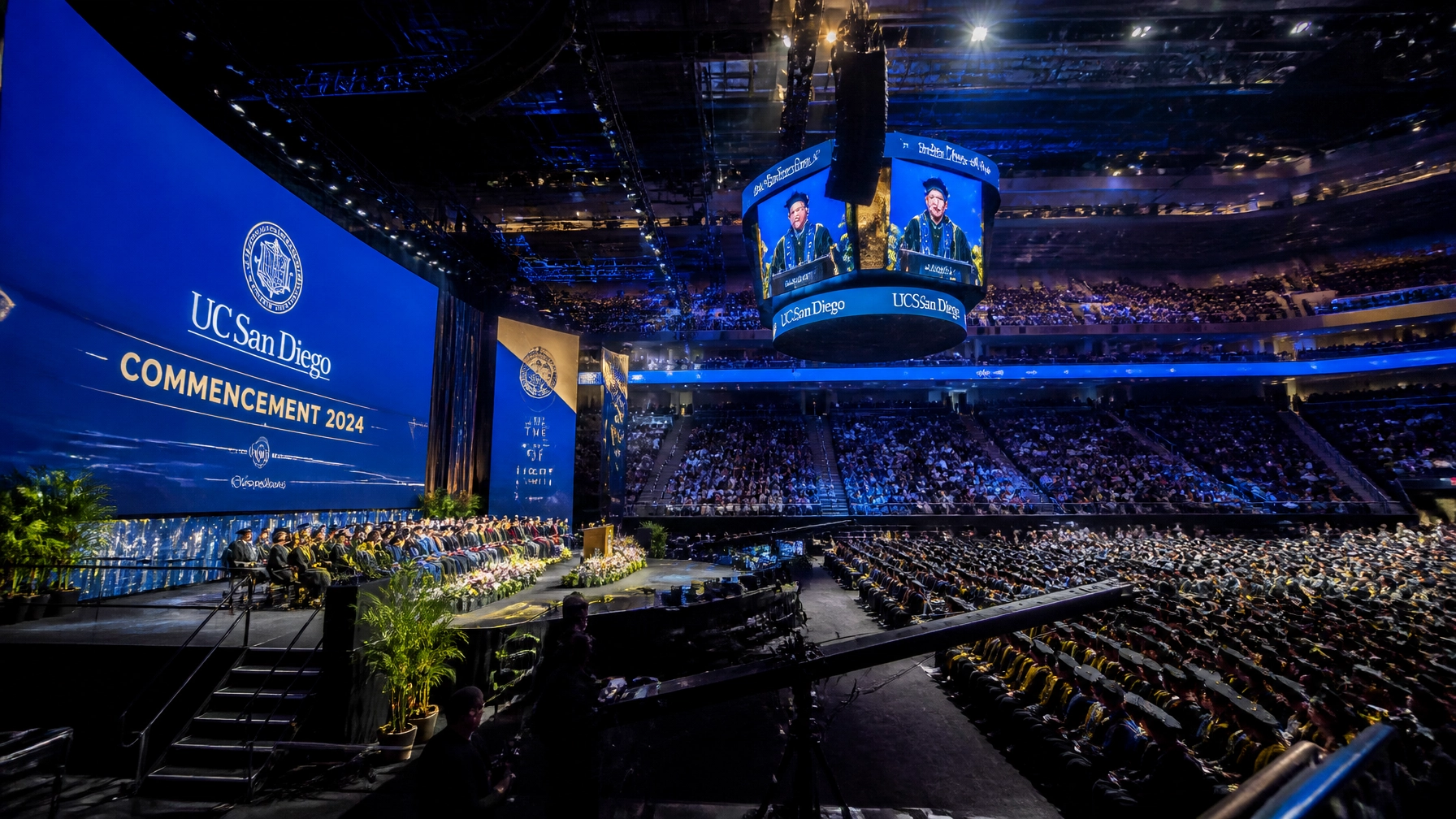
Because no two audiences participate in the same way, creative direction begins with context. A university audience may respond to discovery and participation. A corporate leadership group may need clarity, authority, and momentum. A festival crowd may expect spectacle and freedom. A nonprofit community may prioritize accessibility, connection, and shared purpose.
During the Think phase, OTK considers the audience, the event objective, the venue, the program format, and the desired outcome. That discovery process helps define the event’s narrative architecture.
A well-directed event typically includes:
- A clear opening: The first moments establish energy, expectations, and relevance.
- A purposeful middle: Content, performances, discussions, and transitions build understanding or emotional momentum.
- Signature moments: Key announcements, reveals, recognitions, or performances receive the right visual and sonic emphasis.
- A memorable close: The final experience reinforces the message and gives the audience a clear next step.
As the narrative develops, the venue becomes part of the story. Entry points, registration areas, networking zones, seating configurations, scenic structures, and sightlines all influence how people move and engage. Creative direction turns spatial planning into audience guidance: helping participants feel oriented rather than managed.

Staging and Media: Turning Architecture Into a Storytelling System
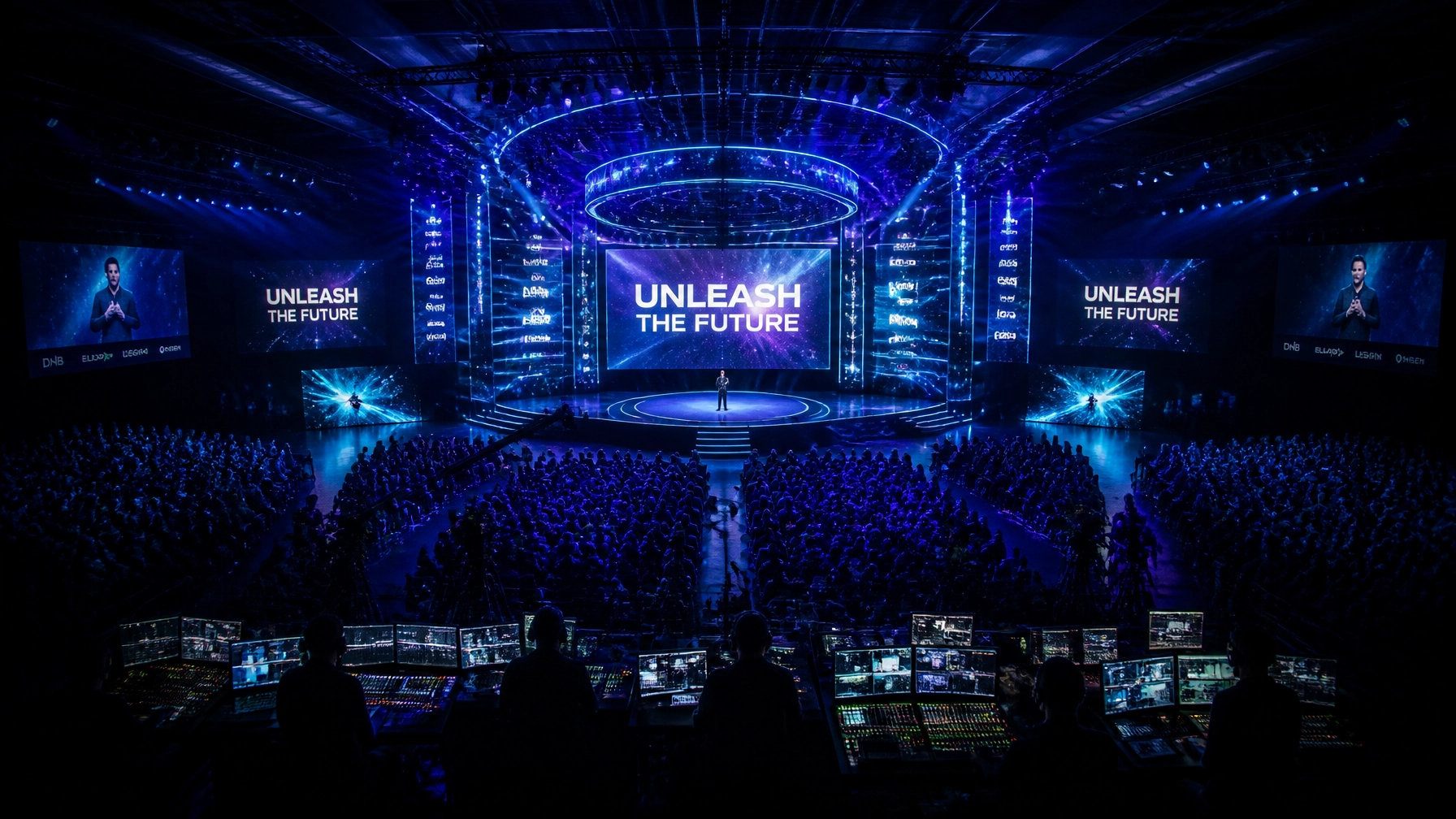
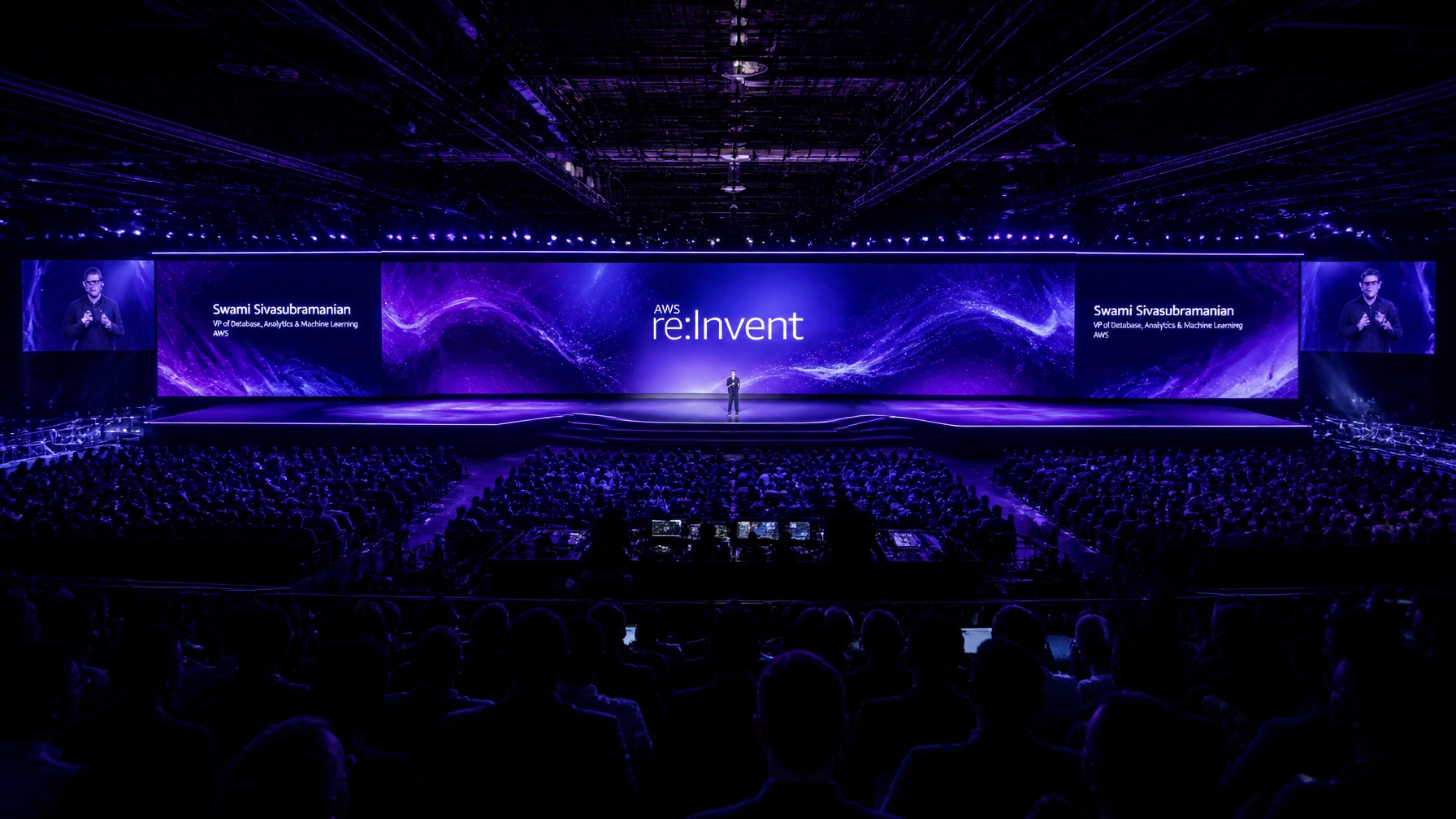
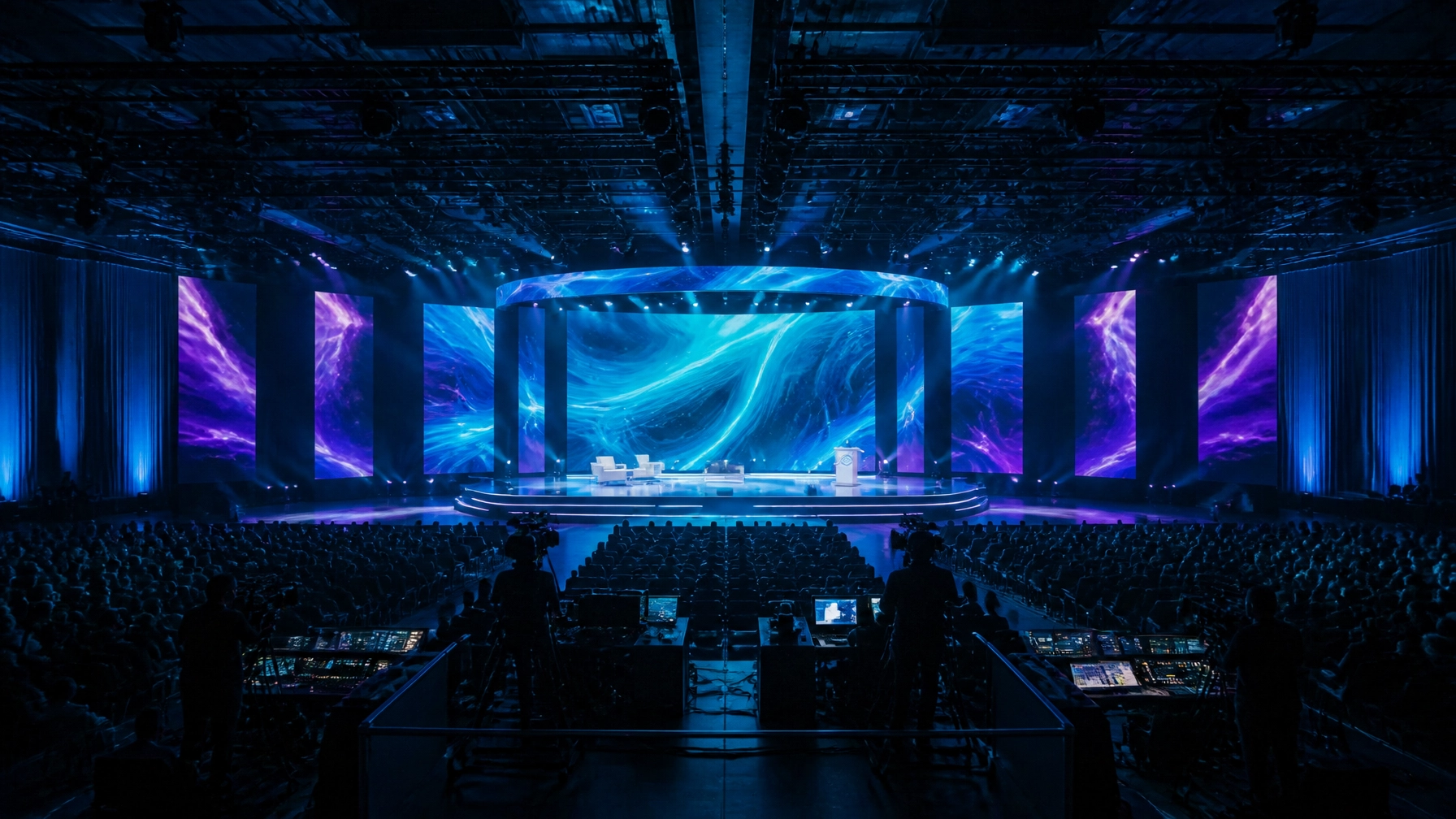
When creative direction is aligned with live event production, staging becomes more than a platform for speakers. It becomes a visual system that supports communication from every seat and screen.
Stage design may include:
- Layered scenic panels and architectural framing
- LED walls, ribbons, columns, and transparent displays
- Projection surfaces and motion graphics
- Podiums, furniture, platforms, and performance areas
- Branded environmental elements
- Camera-friendly compositions for livestreaming and content capture
As the design moves from concept to production, every visual decision must account for sightlines, camera positions, speaker movement, audience scale, venue restrictions, load limits, and setup time. The result should feel intentional in person while also translating effectively to a livestream or recorded deliverable.
OTK’s event and A/V production services bring these creative and technical considerations together. The company’s capabilities include staging, scenic design, LED video walls, projectors, cameras, audio systems, intelligent lighting, and technical support.
The goal is not to place the most technology in the room. The goal is to select the right technology for the story.
Technology becomes meaningful when it disappears into the experience and makes the message easier to see, hear, and remember.
Event Lighting Design: Shaping Attention, Mood, and Momentum
As the program moves from one beat to the next, event lighting design gives the audience a visual language for change. Color, intensity, direction, contrast, movement, and timing can distinguish a keynote from a performance, build anticipation before a reveal, or create focus during a critical announcement.
Lighting supports creative direction in several practical ways:
- Focus: Isolating a speaker, performer, product, or focal point
- Transition: Signaling movement between sessions, acts, or topics
- Atmosphere: Establishing intimacy, energy, celebration, or authority
- Brand expression: Translating color palettes and identity standards into the physical environment
- Broadcast quality: Ensuring presenters, performers, and scenic elements remain clear on camera
- Audience immersion: Connecting the room, stage, and screen into one cohesive visual field
In technical event management, lighting cannot be planned independently from video, audio, rigging, and show control. A cue may need to align with a presentation animation, musical transition, speaker entrance, camera shot, or livestream graphic. That coordination is where creative ambition becomes reliable execution.

Brand Integration: Making the Event Feel Authentically Yours
Because attendees experience the event as an expression of the organization behind it, brand integration must extend beyond logos on screens. Creative direction translates brand values into the full environment.
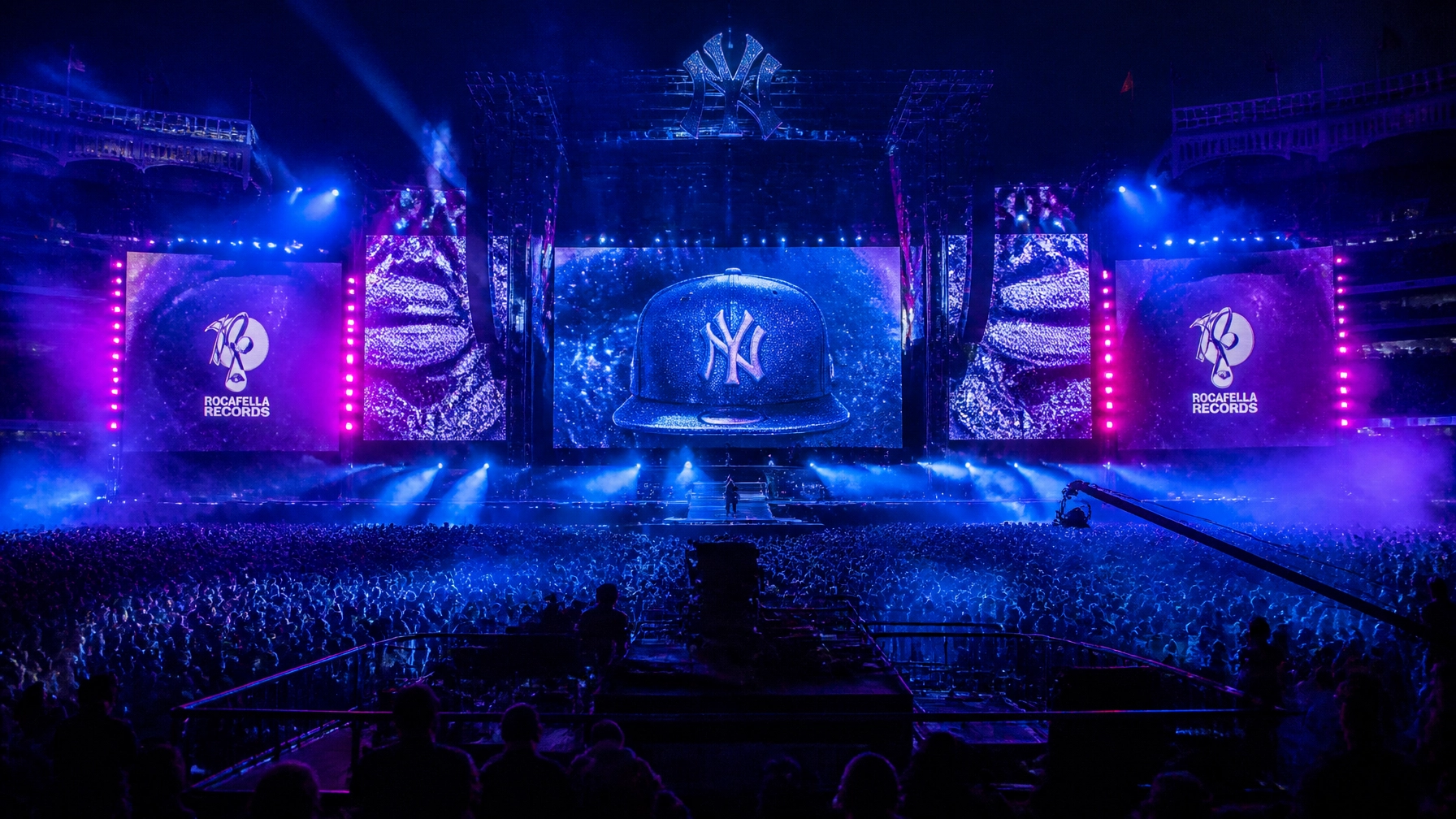
For a corporate client, that may mean a precise, forward-looking visual system. For a university, it may mean a sense of discovery and community. For a faith-based organization, it may mean creating an atmosphere of reflection and collective participation. For a festival or entertainment client, it may mean building a recognizable world around artists, sponsors, and audience culture.
Effective brand integration considers:
- Color, typography, imagery, and motion language
- Stage architecture and scenic materials
- Presentation templates and lower-thirds
- Sponsor visibility and partnership requirements
- Registration, signage, and wayfinding
- Speaker or performer introductions
- Audience participation and accessibility
- Post-event communications and content
As brand guidelines meet live production realities, the creative team must also protect clarity. A visually ambitious design should never make a message difficult to read, a presenter difficult to see, or a participant uncertain about what happens next.
Collaboration and Feasibility: Where Vision Becomes a Plan
As multiple stakeholders shape an event, collaboration becomes a form of risk management. Marketing teams, executives, speakers, venue representatives, sponsors, performers, agencies, vendors, and technical crews often have different priorities. Creative direction gives those perspectives a shared framework.
During OTK’s Collaborate phase, the team works with the client and relevant partners to test ideas against real conditions. Important questions include:
- Can the venue support the proposed rigging, power, and staging?
- Will the design work for both in-person and remote audiences?
- Can the show flow accommodate late content changes?
- Are accessibility and audience sightlines protected?
- Does the budget support the intended experience?
- Can the build, rehearsal, and strike schedule support the plan?
- Are backup systems and contingency cues defined?
This is the practical value of a capable stage production company: creative direction and technical planning advance together. Instead of presenting an idea that cannot be built, the production team develops a blueprint that protects the vision while accounting for safety, labor, equipment, venue policy, and schedule.
Collaboration turns creative direction from an individual point of view into a resilient, shared operating plan.
Livestreaming and Content Capture: Extending the Curtain Call
When a show ends, its value should not end with the last cue. Through livestreaming services for events and professional event content capture, the experience can reach remote participants, internal teams, prospective audiences, and future marketing campaigns.
Creative direction should define the content strategy before cameras roll. That means considering:
- Which moments must be captured in full
- How presenters should be framed for broadcast
- Where cameras can operate without disrupting guests
- How LED content will appear on camera
- What interviews, testimonials, or behind-the-scenes footage should be recorded
- Which clips can support social media, recruitment, fundraising, or sales
- How livestream graphics, captions, and branded overlays should function
OTK’s conference and livestream capabilities support camera operation, streaming platform setup, high-definition broadcasts, branded graphics, interactive participation, and hybrid event production. As a result, the event can be designed as both a live experience and a content ecosystem.
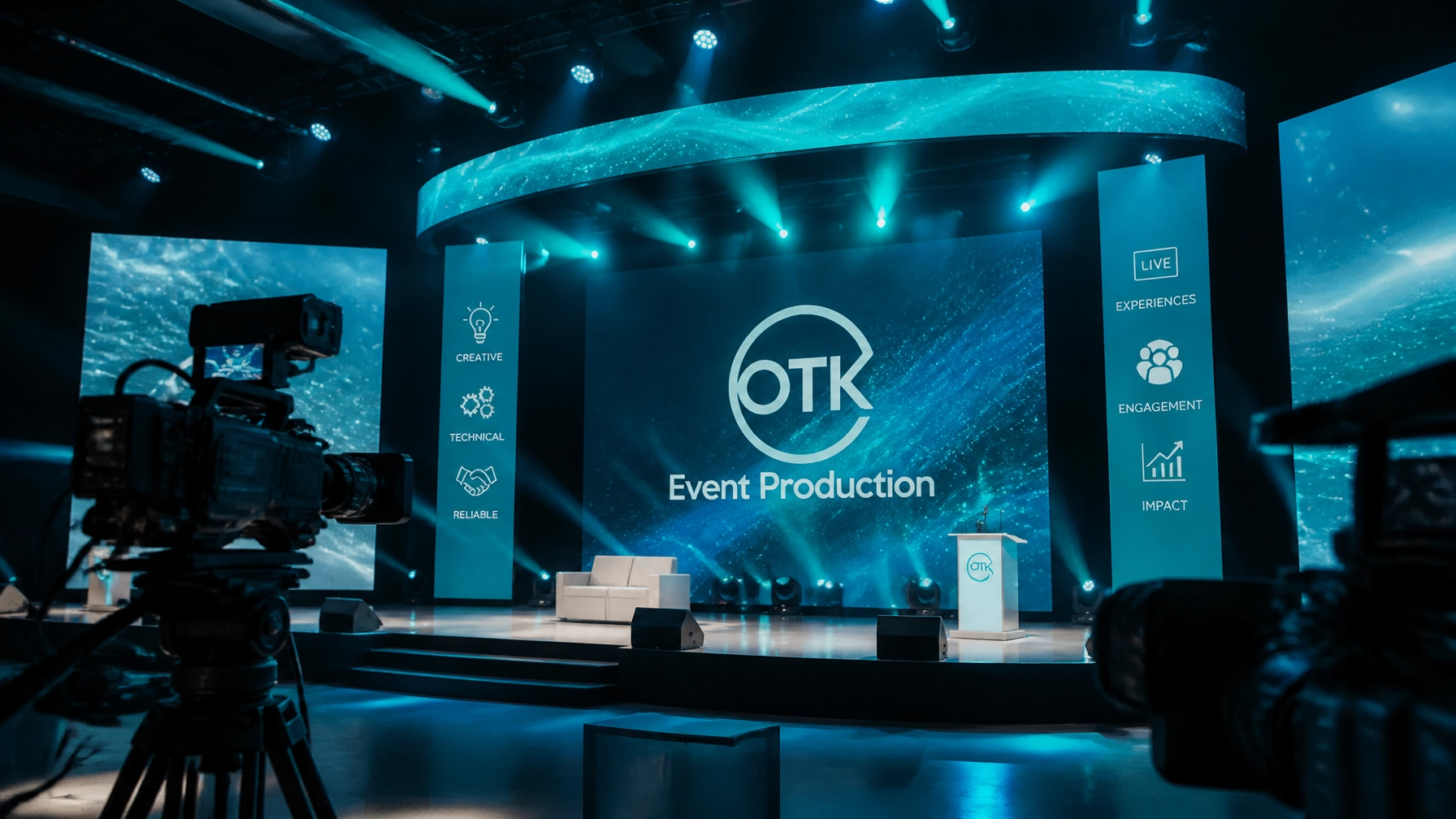
The OTK production showcase illustrates how staging, LED media, cameras, and brand presentation can work together within a single environment.
From Think to Execute: A Turnkey Creative Direction Process
As ideas become more defined, OTK’s five-stage process creates continuity from the first conversation to show day:
- Think: Clarify the purpose, audience, goals, constraints, and opportunity.
- Collaborate: Align stakeholders, partners, vendors, and decision-makers.
- Design: Develop the creative concept, visual language, stage, content, and show flow.
- Produce: Convert the design into schedules, technical plans, rehearsals, staffing, equipment, and content.
- Execute: Deliver the event with proactive coordination, technical precision, and responsive show management.
This structure supports corporate event management, university programming, nonprofit events, faith-based gatherings, festivals, entertainment productions, and high-stakes meetings alike. It also allows the production partner to remain involved from pre-production through execution rather than entering only when the equipment needs to be delivered.

Creative Direction for Events: The Next Step for High-Impact Experiences
As event environments continue to evolve, organizations need more than a supplier that can provide screens, lights, speakers, or staging. They need a partner capable of connecting purpose to production and ambition to action.
Creative direction for events provides that connection. It makes the audience central, gives the story structure, aligns the brand, guides technical decisions, and creates a clear path from concept to curtain call.
OTK Event Production brings creative direction, event management, live production, technical event management, livestreaming, and content capture into one coordinated solution. To discuss the next corporate meeting, university program, festival, nonprofit event, faith-based gathering, or entertainment production, contact OTK Event Production.
Think boldly. Collaborate intentionally. Design with purpose. Produce with discipline. Execute an experience that moves people forward.