As event expectations continue to rise, selecting the right stage production company has become a strategic decision rather than a simple vendor search. A successful production partner does more than provide speakers, screens, lighting fixtures, or staging. The right partner translates an organization’s objectives into a coordinated live experience that is technically resilient, creatively distinctive, and measurable in business value.
For corporate meetings, university programs, nonprofit galas, festivals, faith-based gatherings, and hybrid conferences, the comparison should extend beyond the lowest quote. Scale, technology, experience, communication, safety, and turnkey delivery all influence the final result: and the true return on investment.
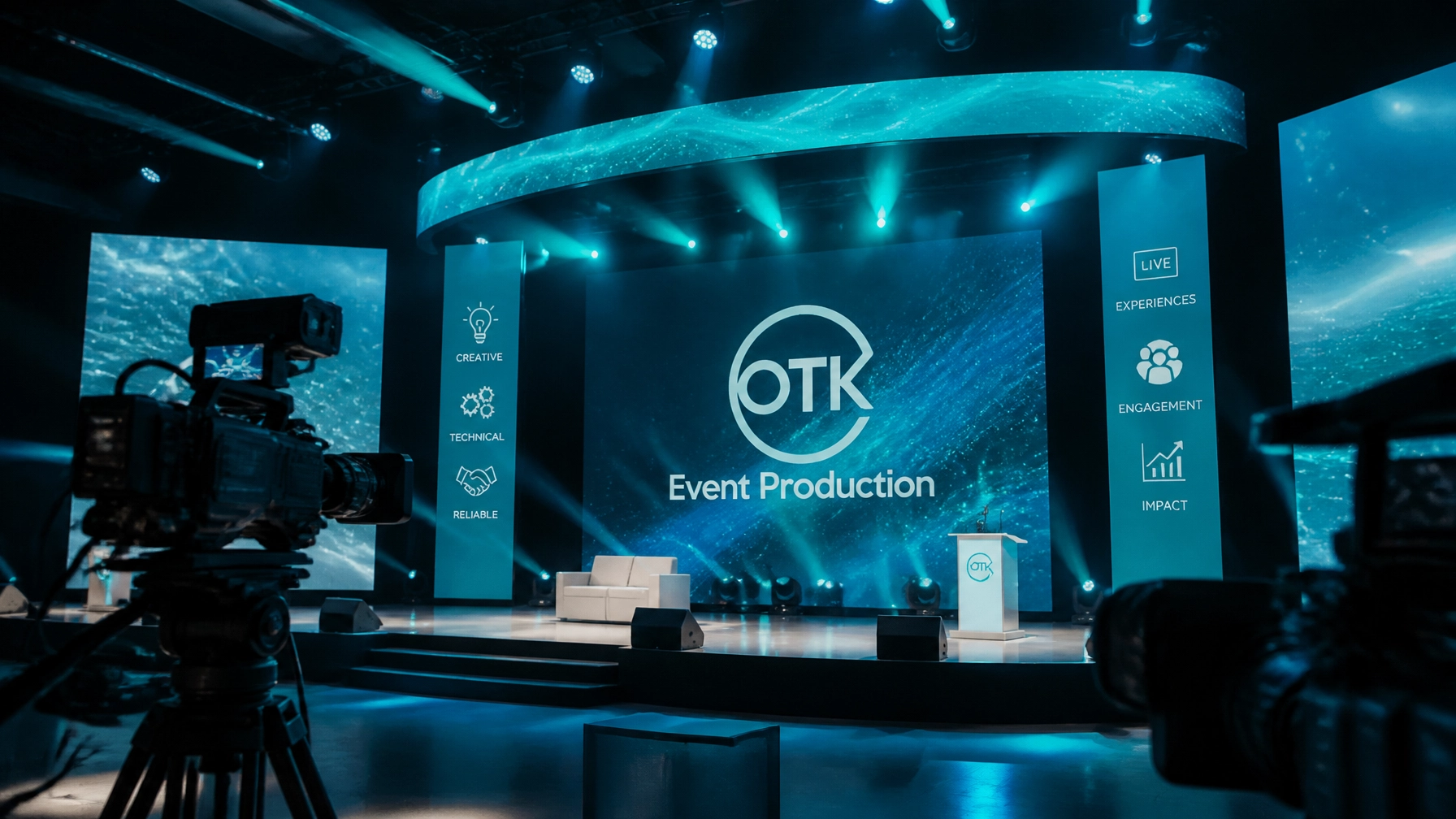
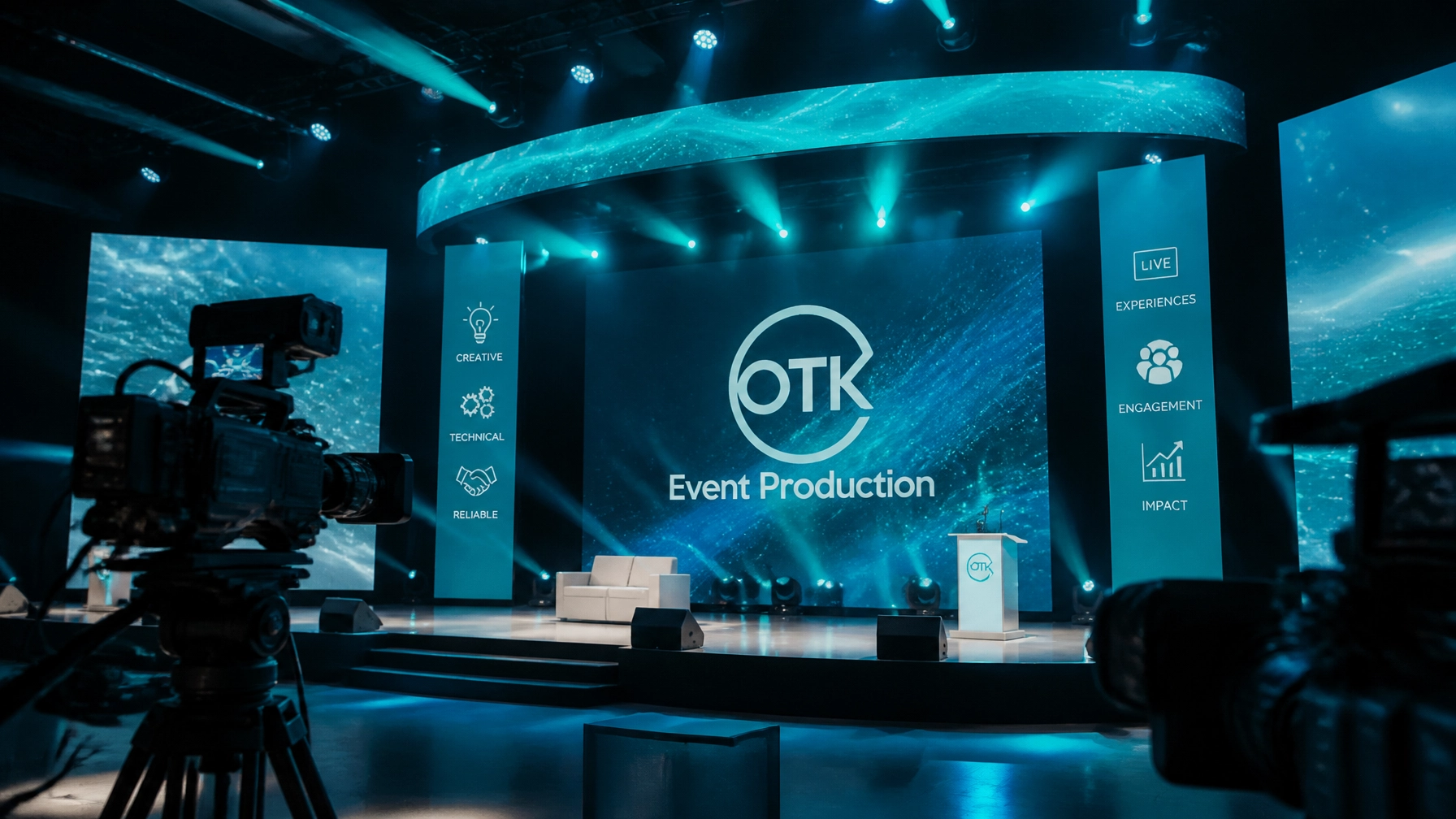
This guide offers a practical framework for evaluating production partners and explains how OTK Event Production supports clients through live event production, creative direction, staging, event lighting design, livestreaming, technical management, special FX, and content capture.
Begin with Strategic Fit: Define the Event Before Comparing Vendors
As organizations pursue transformation through high-impact experiences, the first step is to define what the event must accomplish. A production company cannot recommend the right technical or creative solution without understanding the audience, format, venue, message, and desired outcome.
Before requesting proposals, decision-makers should document:
- Event scale: Audience size, number of rooms, venue dimensions, and geographic requirements.
- Event format: In-person, hybrid, virtual, broadcast, festival, executive meeting, or multi-day conference.
- Technical complexity: LED walls, projection, multiple cameras, livestreaming, remote presenters, translation, playback, or interactive features.
- Audience objectives: Education, fundraising, brand awareness, product launch, employee engagement, community building, or lead generation.
- Content requirements: Live graphics, presentations, show packages, social clips, recordings, and post-event video assets.
- Risk profile: Show-critical moments, executive visibility, safety considerations, schedule constraints, and contingency needs.
A clear event profile allows each stage production company to respond to the same brief. That makes comparisons more accurate and exposes whether a provider routinely handles comparable complexity: or is stretching beyond its normal operating range.
The strongest production strategy begins with the purpose of the event, not the equipment list.
Compare Scale and Experience: Evidence Matters More Than Impressions
Celebrating ambitious events across industries, a premium production partner should demonstrate experience that matches the client’s level of responsibility. A company that excels at small social events may not have the staffing, systems, or communication structure required for a large corporate general session with concurrent breakout rooms.
Prospective clients should examine:
- Case studies with similar audience sizes and formats.
- Experience in the client’s industry or stakeholder environment.
- The number and expertise of producers, directors, engineers, technicians, and project managers assigned to the event.
- Venue coordination, permitting, labor, shipping, rigging, power, internet, and load-in experience.
- The company’s ability to support multiple rooms or programs at the same time.
- References that can speak to communication, reliability, and problem-solving.
OTK’s services portfolio covers event and A/V production, event management, content and design, managed A/V services, venue management, production solutions, and conference livestreaming. Its company information states that OTK was founded in 2017 and that its management team brings more than 20 years of event production experience.
That combination of operational experience and resource coordination is especially important when an event requires a network of specialized partners. The key question is not simply whether a company can scale. It is whether the company can maintain consistency, accountability, and clear decision-making while scaling.
Evaluate Technology as an Integrated System: Not a Collection of Gear
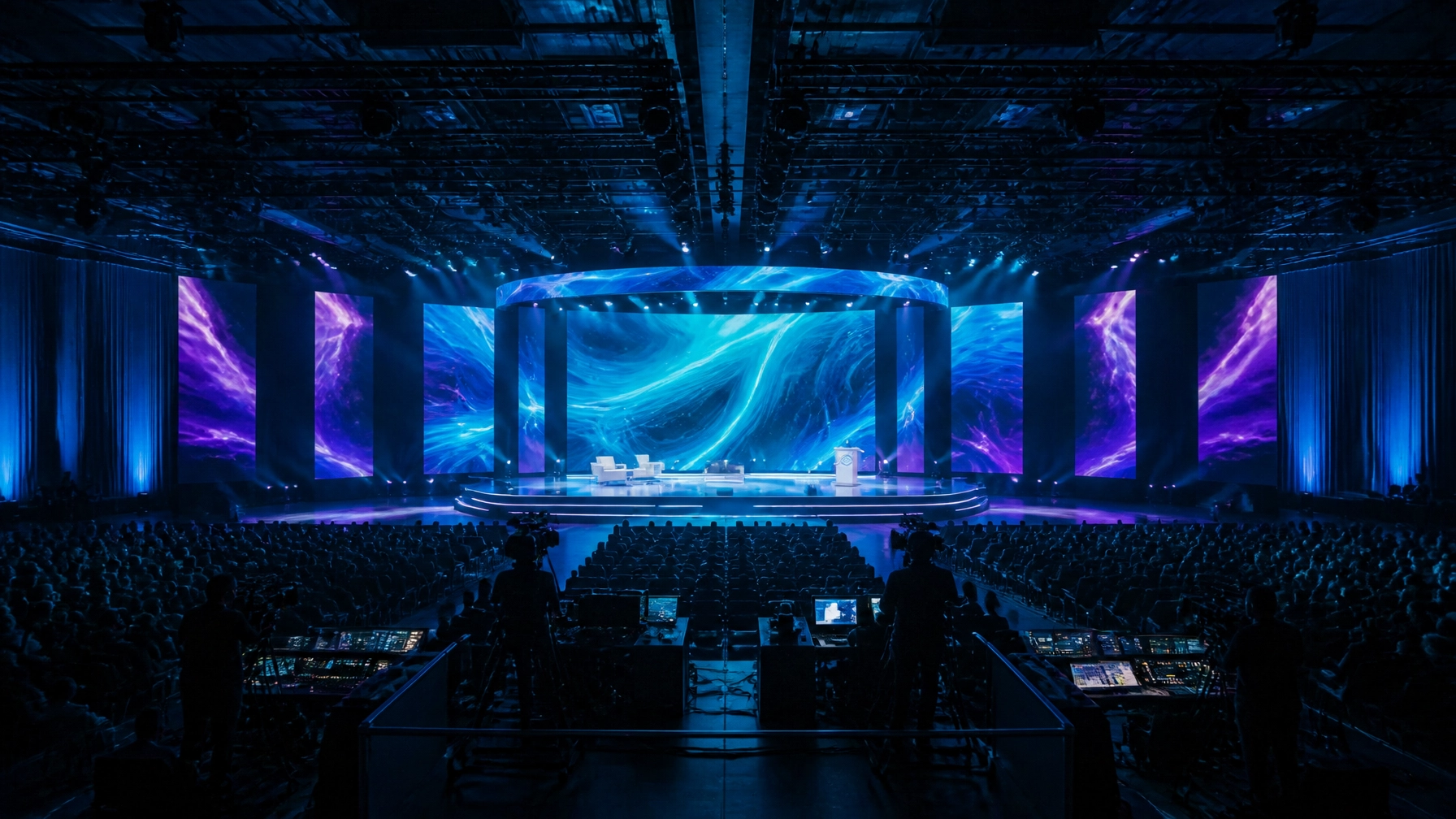
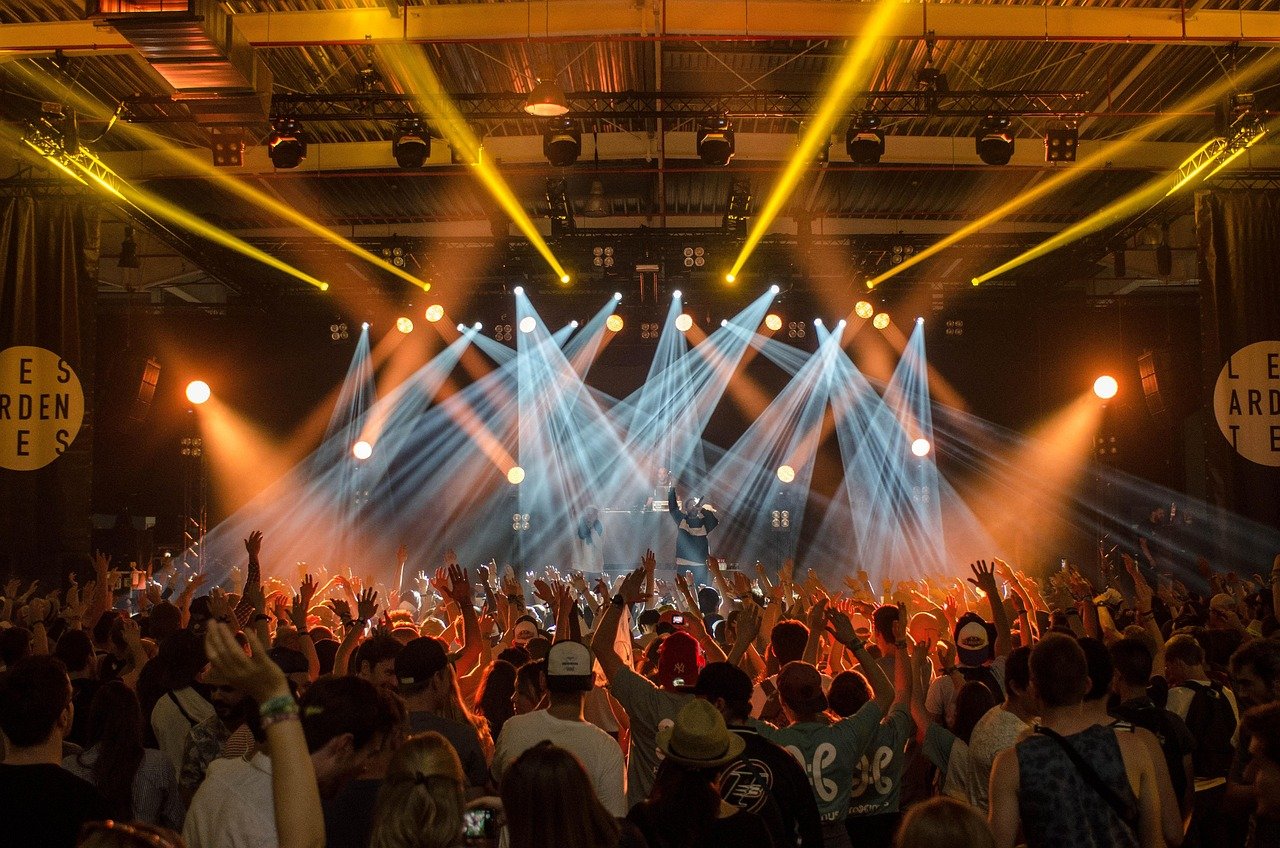
As digital transformation reshapes the live experience, technology must support the message rather than overwhelm it. A qualified stage production company should explain how audio, video, lighting, staging, content, and streaming will function as one coordinated system.
The evaluation should include:
- Video and LED: Screen size, pixel pitch, camera positions, playback systems, content formats, and sightlines.
- Audio: Microphone selection, speech intelligibility, music playback, monitoring, and backup signal paths.
- Lighting: Presenter visibility, camera exposure, scenic enhancement, audience atmosphere, and cue integration.
- Streaming: Platform setup, encoding, remote speakers, graphics, moderation, interactive tools, and failover planning.
- Show control: Cueing, timecode, playback, communications, and integration between departments.
- Redundancy: Backup microphones, spare signal paths, replacement equipment, power planning, and contingency procedures.
For corporate event management, technical sophistication must also serve accessibility and clarity. A visually impressive stage that creates glare, poor camera exposure, unreadable text, or inconsistent sound is not a successful design.
OTK describes its capabilities across high-definition video, intelligent lighting, audio, livestreaming, custom graphics, interactive virtual conferences, and technical support. Its conference and livestream services include camera operation, streaming platform setup, branded overlays, motion graphics, live Q&A, breakout sessions, and polls.
The right partner will also discuss technology in terms of outcomes. LED may improve visual impact and content flexibility. Intelligent lighting may create more precise transitions and stronger camera images. Livestreaming may extend reach beyond the room. Technology earns its place when it improves engagement, communication, accessibility, or content longevity.
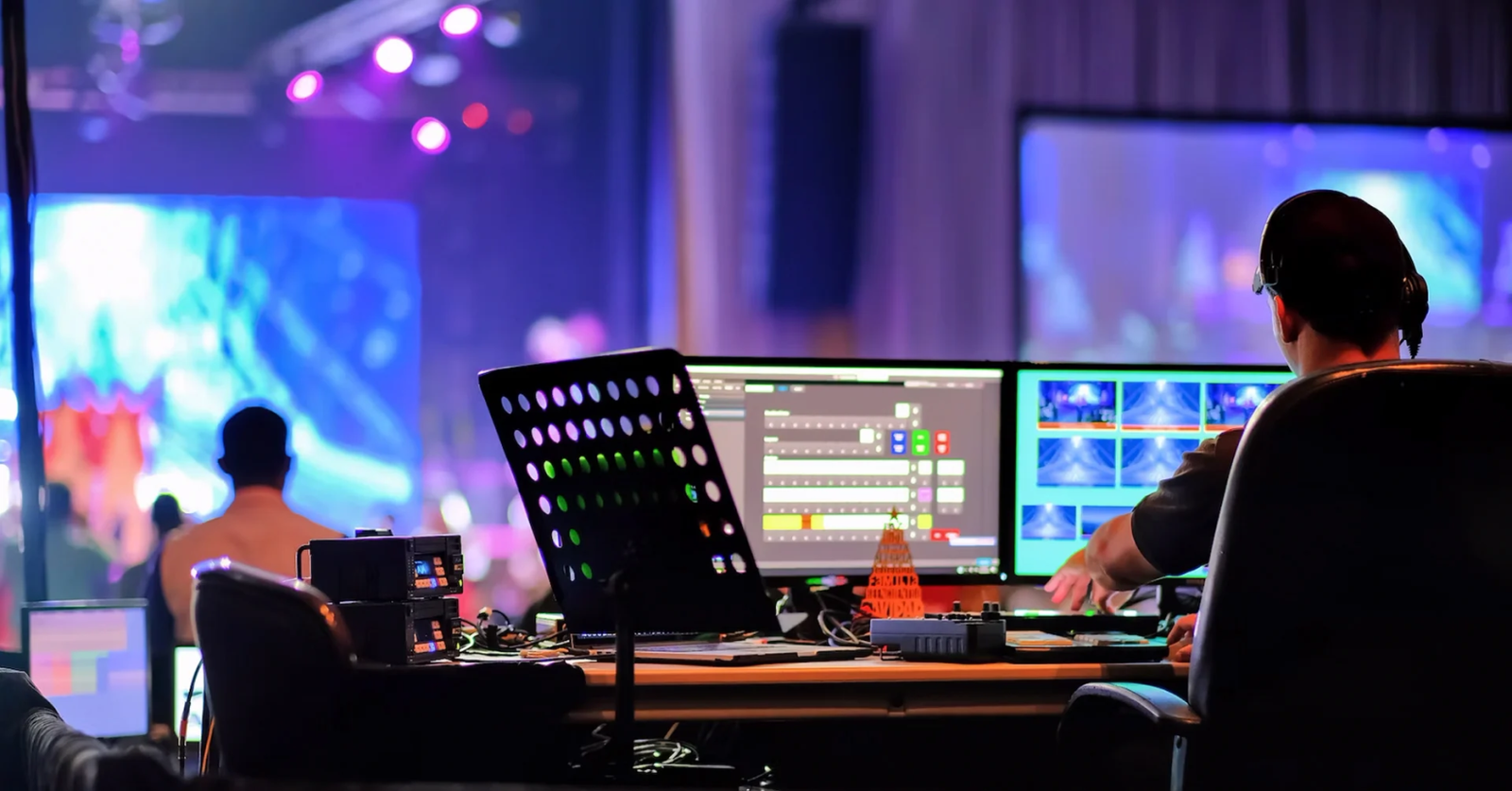
Technology creates value when every pixel, cue, and signal advances the audience experience.
Assess Creative Direction for Events: Design Should Serve the Story
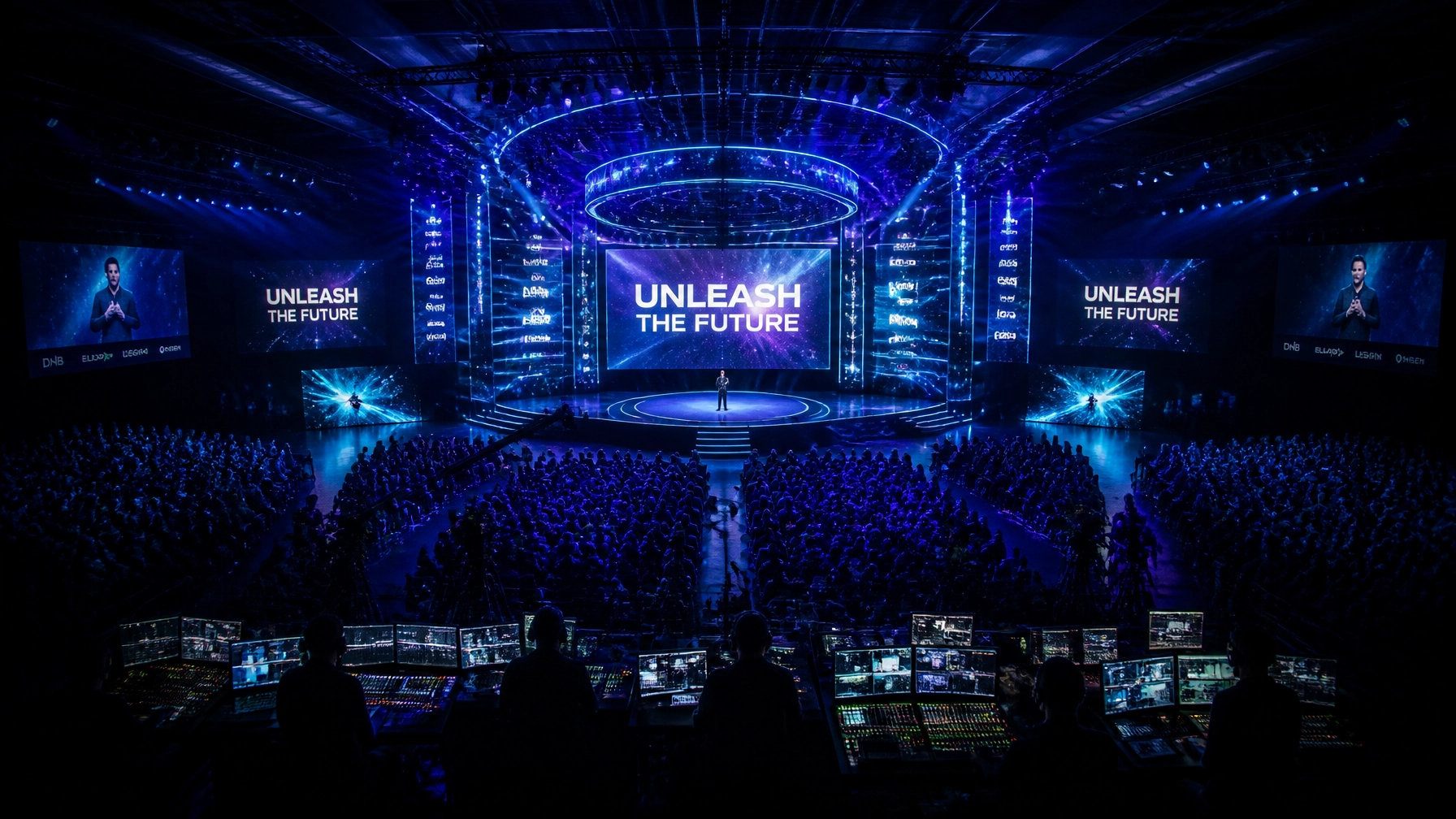
As brands compete for attention in crowded physical and digital environments, creative direction for events has become a central production discipline. Stage design should communicate priorities, establish atmosphere, support speakers, and give the audience a clear visual journey.
A strong creative process may include:
- Translating the event’s theme into a visual language.
- Developing stage, scenic, LED, lighting, and branding concepts.
- Planning camera-friendly compositions for livestreaming and content capture.
- Creating transitions, motion graphics, lower thirds, and show packages.
- Aligning the design with the venue, audience, schedule, and budget.
- Testing sightlines, lighting looks, content playback, and presenter movement.
A production company should be able to explain why a particular stage shape, screen configuration, lighting position, or special FX element belongs in the design. Originality matters, but intentionality matters more.
OTK’s process is structured around Think, Collaborate, Design, Produce, and Execute. That model reflects a useful standard for clients: the production team should collaborate with internal stakeholders and other vendors before the design is finalized, not simply arrive onsite with a preselected package.
This is where creative direction and technical event management intersect. A compelling idea only becomes valuable when it can be built safely, rehearsed thoroughly, operated precisely, and captured effectively.
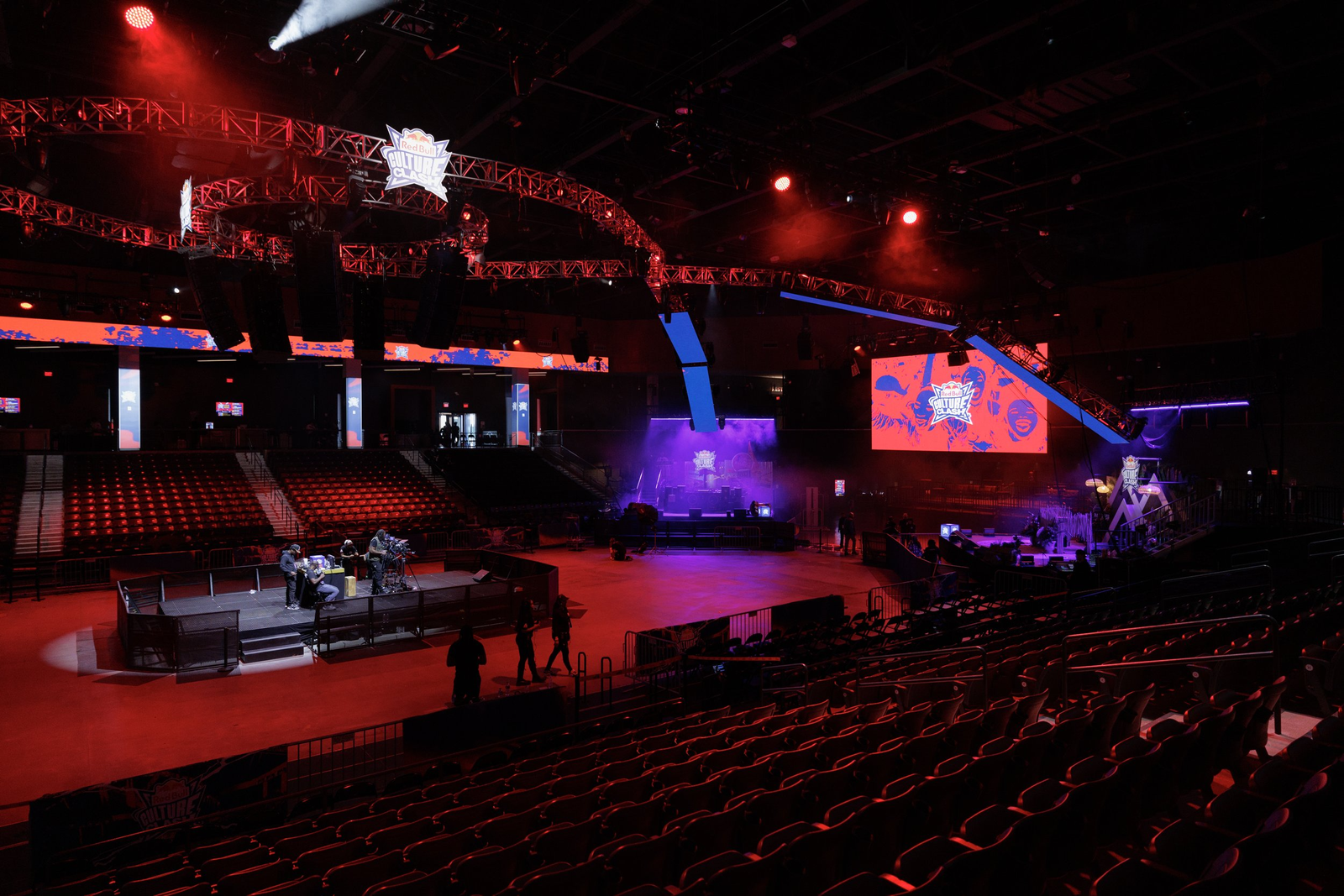
Measure Turnkey ROI: Compare Total Value, Not Just the Quote
Driving change through integrated production, a turnkey partner can reduce the friction created when several vendors manage disconnected parts of the same event. However, “turnkey” should be defined clearly. It should mean more than bundling equipment into a single estimate.
A true end-to-end model may include:
- Show development and creative direction.
- Stage, scenic, and staging design.
- Audio, video, lighting, and special FX.
- Technical drawings, site surveys, and venue coordination.
- Content preparation and playback management.
- Rehearsals, cue sheets, show calling, and stage management.
- Livestreaming and remote participant support.
- Onsite technical management and contingency planning.
- Content capture, editing, and post-event distribution.
- Strike, reporting, and post-event review.
When comparing proposals, decision-makers should review scope, exclusions, labor, travel, overtime, equipment substitutions, venue requirements, and change-order procedures. A lower initial quote may not represent lower total cost if critical services are excluded or if several internal teams must fill the gaps.
Turnkey ROI should also include the event’s afterlife. Content capture can turn a single conference or launch into social media clips, training resources, sales materials, highlight reels, and on-demand programming. OTK’s content and design services support this broader view of event value.
Risk-adjusted value deserves equal attention. A partner with disciplined pre-production, clear communications, technical redundancy, and venue experience may protect the client from delays, rework, safety issues, and reputational damage.
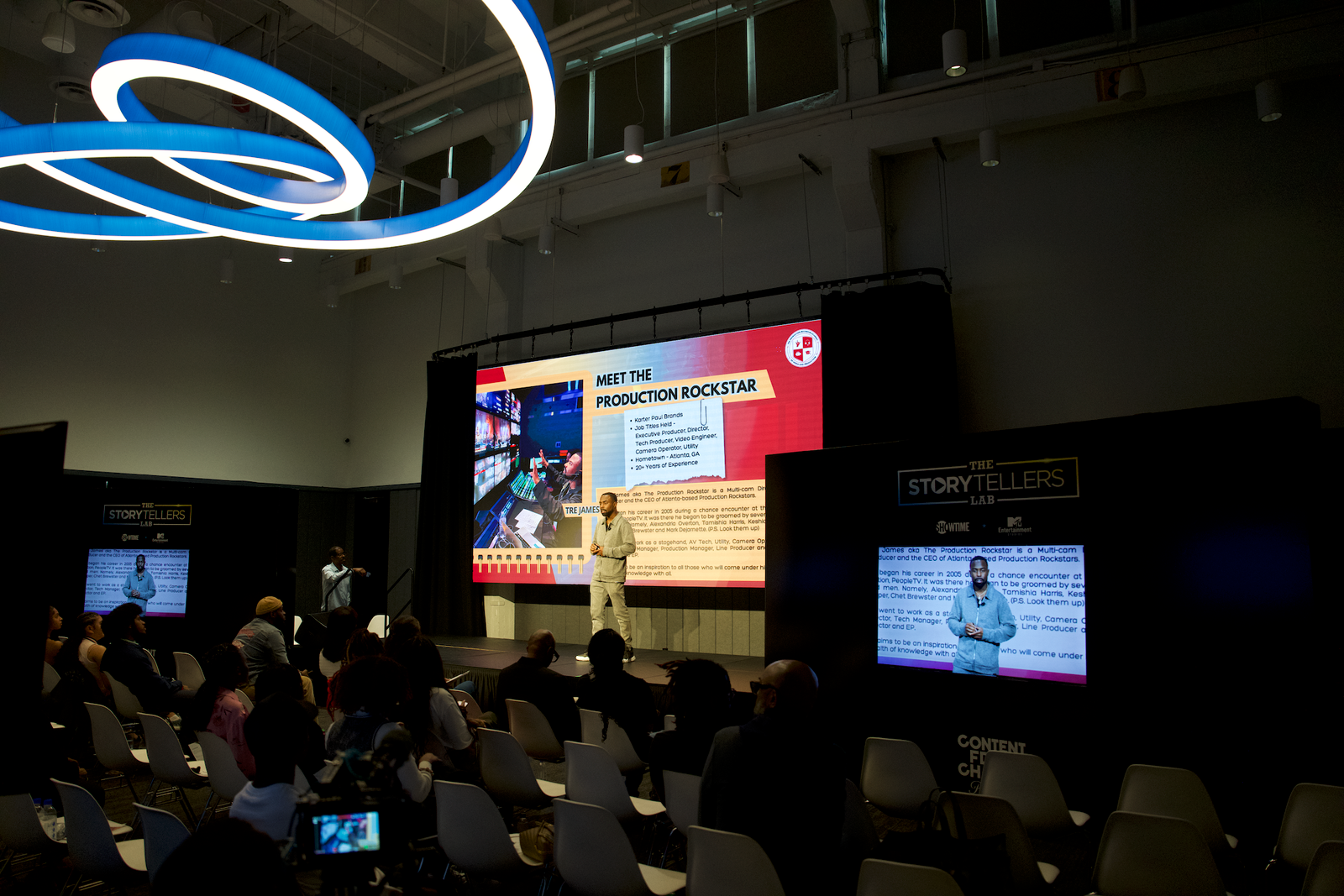
Turnkey ROI is the value of impact, efficiency, resilience, and reusable content combined.
Ask These Questions Before Hiring a Stage Production Company
As procurement teams and event leaders narrow the shortlist, the following questions can reveal meaningful differences between production partners:
Experience and scale
- Can the company show events similar in audience size, format, venue, and technical complexity?
- Which team members will lead the project from pre-production through show day?
- How are concurrent rooms, changing schedules, or international logistics managed?
- Can the company provide relevant references?
Technology and resilience
- What systems will be used for audio, video, lighting, LED, playback, and streaming?
- What is the redundancy plan for show-critical equipment?
- How will remote speakers, live graphics, captions, translation, or audience interaction be supported?
- How will the design serve both the in-room audience and viewers watching online?
Communication and accountability
- Who is the primary day-to-day contact?
- How often will production meetings occur?
- What documents will the client receive, such as schedules, drawings, run-of-show documents, and cue sheets?
- Who has authority to make decisions onsite if the plan changes?
Turnkey value and ROI
- Which services are included, and which are outsourced or excluded?
- Are staging, special FX, content capture, editing, and livestreaming included in the proposal?
- How will the production design align with the event’s business objectives?
- What post-event assets, reports, or recommendations will the client receive?
Use a Practical Selection Matrix: Make the Decision Defensible
As cross-industry collaboration becomes more important, a structured comparison protects organizations from choosing based on presentation quality alone. Each shortlisted stage production company can be rated from one to five across:
| Evaluation area | What to measure |
|---|---|
| Scale | Comparable events, staffing, logistics, and venue experience |
| Technology | Audio, video, LED, lighting, streaming, and redundancy |
| Creative direction | Originality, brand alignment, storytelling, and camera readiness |
| Communication | Responsiveness, documentation, transparency, and accountability |
| Turnkey scope | Pre-production, execution, capture, and post-event support |
| ROI | Audience impact, content longevity, efficiency, and risk reduction |
Evidence should support every score. Case studies, technical proposals, references, and project plans are more useful than broad assurances.
Why OTK Event Production Is Built for End-to-End Collaboration
Shaping tomorrow’s world through live experiences requires a partner that can connect creative vision with technical execution. OTK Event Production works with corporate brands, universities, nonprofits, esports organizations, faith-based groups, political organizations, and fashion clients that need high-quality event production and management.
Its model extends from the first concept through show development, creative direction, staging, lighting, special FX, livestreaming, technical management, and content capture. The company emphasizes collaboration with clients and other vendors, using its network of resources to coordinate the details that determine whether an event feels seamless.
For organizations comparing production partners, the decision should ultimately come down to alignment: the right level of scale, the right technical depth, the right communication model, and the right commitment to measurable value.
Those planning a high-stakes meeting, conference, festival, gala, launch, or hybrid event can contact OTK Event Production to discuss the event’s goals, venue, audience, timeline, and production requirements.
The best stage production company does not simply build the stage; it builds the conditions for the entire event to succeed.