As festival expectations rise and production becomes more technically and creatively complex, the choice between an in-house team and festival production services is not a contest with one universal winner. It is a decision about where capability, cost, knowledge, and responsibility should sit.
The models differ most when something changes, or fails. Who owns the equipment? Who carries the day-to-day responsibility for maintaining it? Who knows the venue’s constraints and the show’s history? And when a rig fails at 11 p.m., who is responsible for diagnosing the problem and getting the show back on track?
Those answers shape more than the production budget. They influence how quickly a team can adapt, how much creative control organizers retain, and how resilient the festival is under pressure.
The right production model is the one that fits the festival’s calendar, capabilities, and risk, not the one that sounds best in a proposal.
Two Models, Two Different Kinds of Responsibility:
An in-house production team means an organization owns or employs production capabilities year-round. That can include full-time staff or regular crew, equipment, warehouse space, maintenance schedules, and the insurance and operational systems that support those assets. The organizer retains direct control, but also carries the work of keeping the team and equipment ready between events.
Festival production services means bringing in an external partner for an event or a defined run of events. Depending on the scope, that partner may provide crew, equipment inventory, vendor relationships, show design, technical management, and on-site execution. The organizer still owns decisions about the festival’s goals, audience, and overall experience, but contracts for specific expertise and capacity.
Neither model automatically transfers every risk. An organizer should clarify in writing who is responsible for equipment, labor, site logistics, safety coordination, backup plans, and decisions during show hours. A proposal that lists equipment but leaves ownership of delivery, setup, and failure response unclear is not a complete production plan.

The most important comparison is not just who supplies the gear. It is who owns each responsibility when the plan meets reality.
Where In-House Teams Have the Advantage:
When a festival repeats across multiple dates or cities, an internal team can build knowledge with every edition. The crew learns the show’s timing, the organizers’ decision-making style, the site’s quirks, and which creative elements matter most. That institutional knowledge can make iteration faster and reduce the need to explain the basics each time.
Direct employment can also support closer creative control. Organizers work with a team that is part of the organization, rather than bringing a production partner into the process for a specific project. That can be especially valuable when the festival’s identity depends on frequent changes to programming, staging, or audience experience.
Over a full calendar, owning equipment and maintaining a team may also lower the marginal cost of additional shows, provided the organization has enough use for that capacity. The gear is already on hand, and experienced staff can be redeployed rather than assembled anew for every event.
But the calendar is the key condition. A team that is fully utilized across a season is different from one that must be maintained through long gaps between festivals. Before treating in-house production as a source of efficiency, organizers should consider how consistently the staff and equipment will be used.
In-house capability is strongest when a festival’s schedule gives its people and equipment repeated chances to deliver value.
Where Festival Production Services Have the Advantage:
For a single large weekend, external production services can provide more capacity than an organizer needs, or can reasonably maintain, the rest of the year. A partner can assemble the crew and technical resources required for the event, then scale that support to the show’s needs.
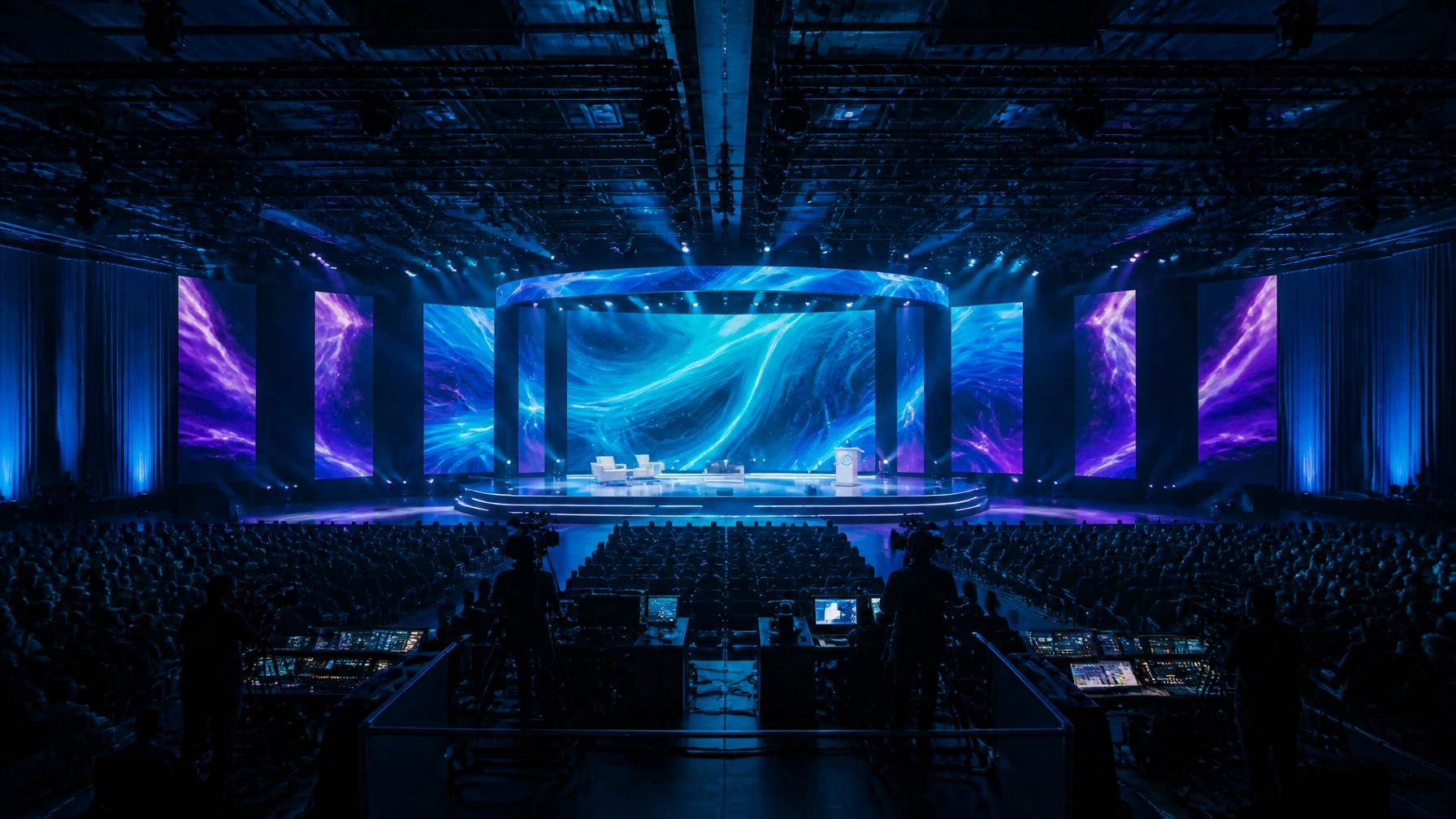
This model can also give organizers access to specialty equipment they would not buy for one festival: complex lighting rigs, LED systems, staging, special effects, and other technical elements. Just as important, an experienced partner can connect equipment to show design and technical management, rather than treating the build as a collection of unrelated rentals.
When a production concept requires specialist knowledge that the organization cannot hire for one season, project-based support can close that capability gap. It can also provide a clearer path to contingency planning: organizers should ask who will monitor systems during the show, what backup equipment or processes are included, and who leads the response if something fails.
That does not mean external support removes the organizer from risk. A production partner cannot make a poorly defined scope, unclear communication, or a mismatch with the festival audience disappear. The value depends on how well both sides align the brief, responsibilities, and decision-making before the build begins.
For a high-stakes, high-complexity show, specialized capacity can matter more than owning the tools.
The Costs That Don’t Always Show Up in the First Comparison:
An in-house budget may center on salaries and equipment, but the operational picture is wider. Warehouse space, maintenance, repairs, depreciation, insurance, and replacement planning all require ongoing attention. Staffing also has a rhythm: teams may be stretched during load-in, show days, and strike, then face gaps between events. Retaining experienced crew through an off-season can be a challenge as well as a cost.
External services have their own demands. Onboarding takes time, and a production partner needs a detailed brief to understand the festival’s audience, site, schedule, priorities, and non-negotiables. If the partner does not understand the event’s culture or audience expectations, technically competent execution may still miss the mark.
Comparing quotes therefore requires more than checking the equipment list. Organizers should examine the scope, crew roles, planning responsibilities, setup and strike coverage, communication process, and contingency approach. They should also confirm which items are included, which rely on other vendors, and who has authority to make time-sensitive calls on site.

The fairest comparison accounts for the full operating model, not just the most visible line items.
The Hybrid Model: A Practical Middle Ground:
Many organizers do not need to choose one model for every responsibility. A hybrid approach keeps an in-house core team focused on year-round planning, sponsor relationships, programming, and site logistics, while a production partner supplies technical design, equipment, crew, and show execution.
This division can preserve institutional knowledge and creative alignment without requiring the organization to maintain every technical capability between events. It can be especially practical for mid-size festivals and for organizations outside the festival industry (such as universities, nonprofits, faith-based organizations, esports groups, and corporate brands) that produce one or two major shows a year.
The strongest hybrid plans draw a clear line between responsibilities. The internal team might own the audience and stakeholder brief, site access, schedules, and approvals. The production partner might own the technical design, equipment plan, crew coordination, and show-day systems. The precise split depends on the organization’s experience and the complexity of the event.
For examples of how technical and creative elements can work together, organizers can explore OTK’s event and A/V production services and its overview of live event production.
Keep the knowledge that makes the festival distinctive; bring in the capability that the show demands.
A Decision Checklist for Festival Organizers:
Before comparing proposals, organizers can answer a short set of questions:
- How many show days, and how many production days, does the event require?
- Does the festival repeat annually, run across several dates, or travel to multiple cities?
- What production equipment and infrastructure does the organization already own, and how often is it used?
- Is the creative direction locked, or will the production partner help develop the show?
- Are livestreaming and content capture part of the brief, requiring cameras, broadcast workflows, or additional technical coordination?
- Can the organization staff and manage the build, show days, and strike with the experience required?
- Who will lead communication and make final technical decisions during the event?
- What happens if a critical system or piece of equipment fails, and is that responsibility clearly assigned?
A pattern should emerge from the answers. A busy, repeat calendar and strong existing infrastructure may support more in-house capability. A single ambitious show, a complex design, or limited internal staffing may favor outside services, or a hybrid. A clear brief and responsibility matrix can then make quotes easier to compare on equal terms.
The decision becomes clearer when the festival’s real workload is mapped before the proposals arrive.
The Best Fit Is the One Built Around the Show:
As production needs evolve, a resilient festival does not have to commit to a single operating model forever. It can build internal capability where repetition and institutional knowledge matter, and engage specialist support where the show calls for greater capacity, equipment, or expertise.
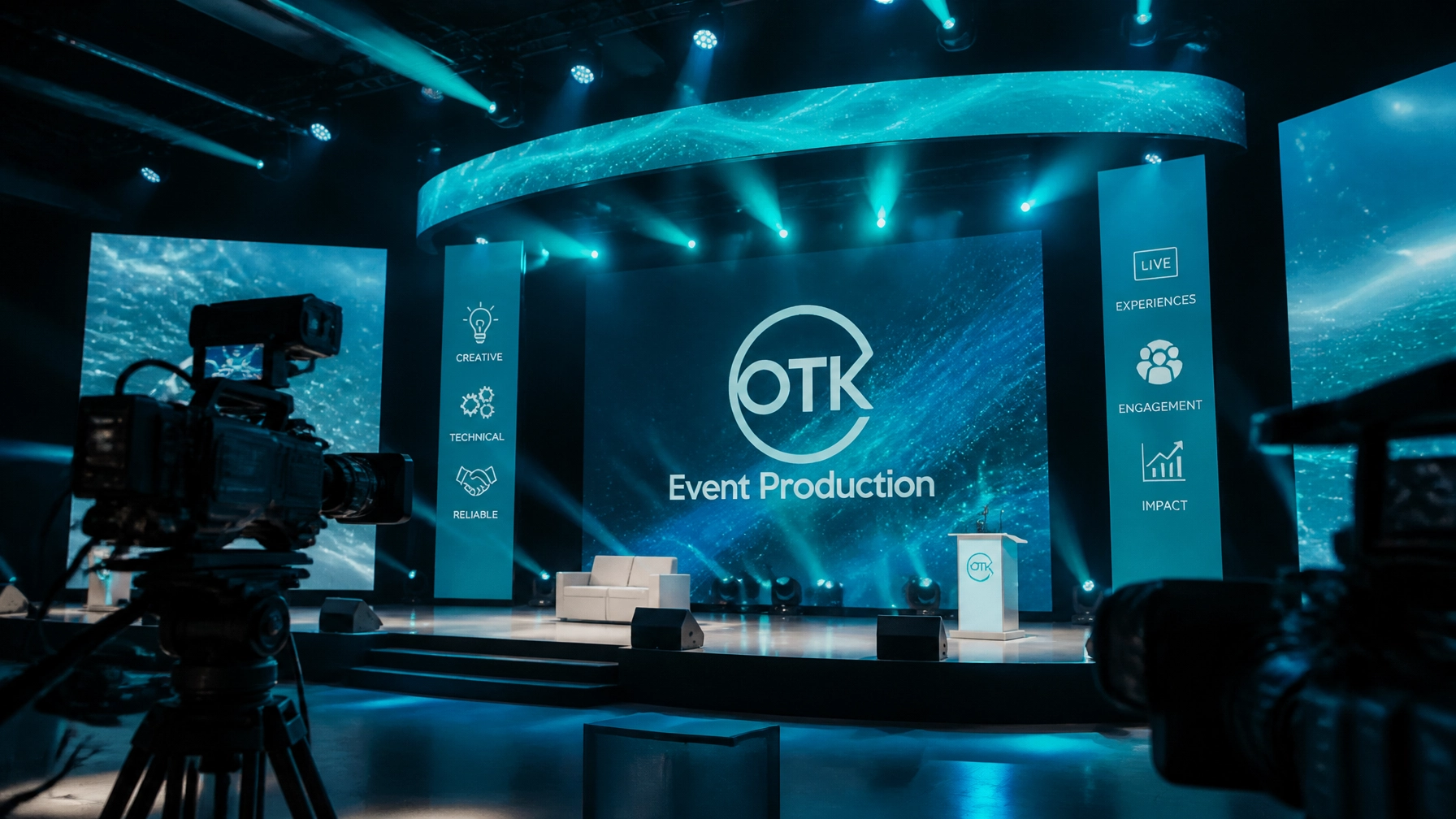
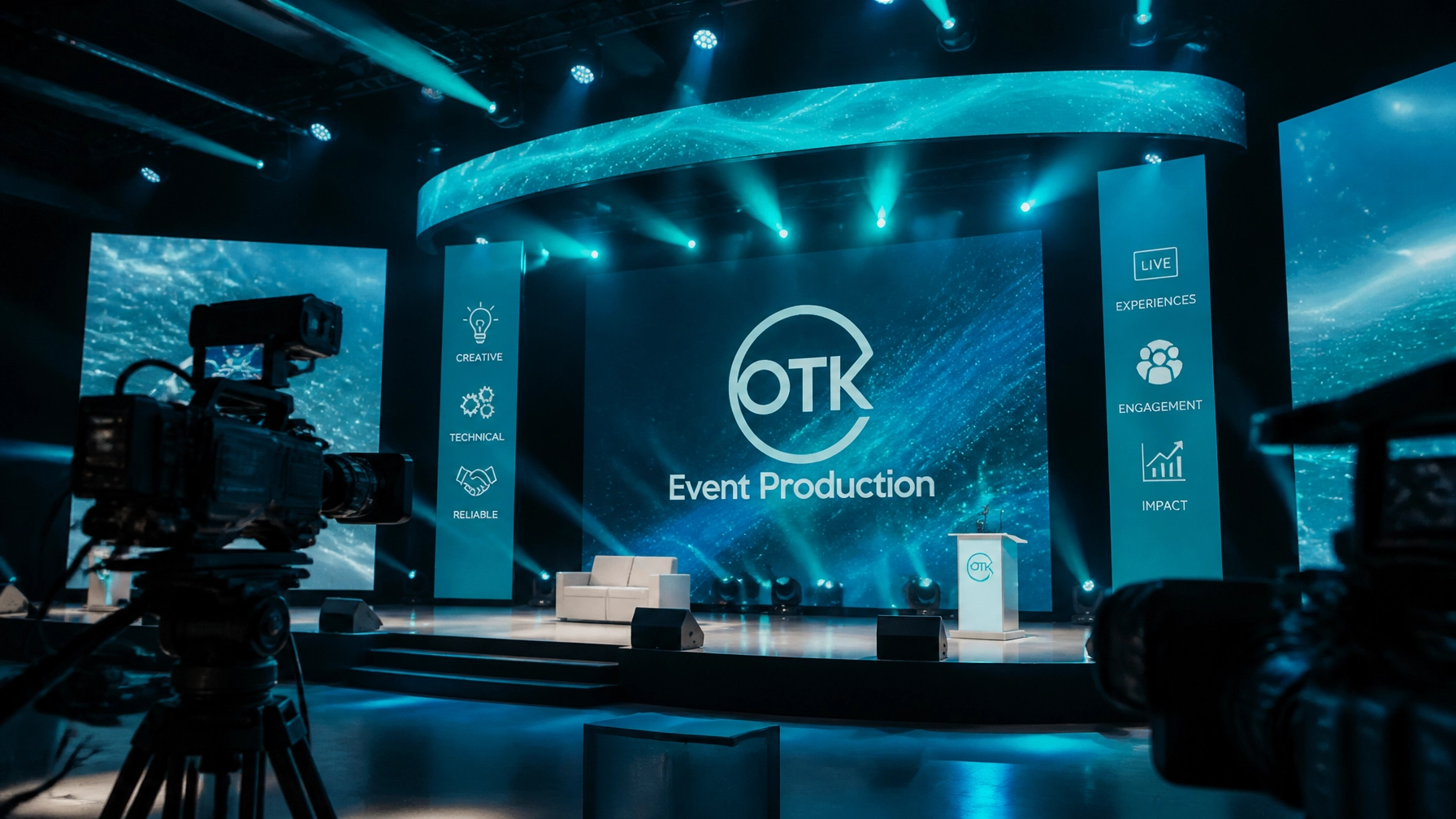
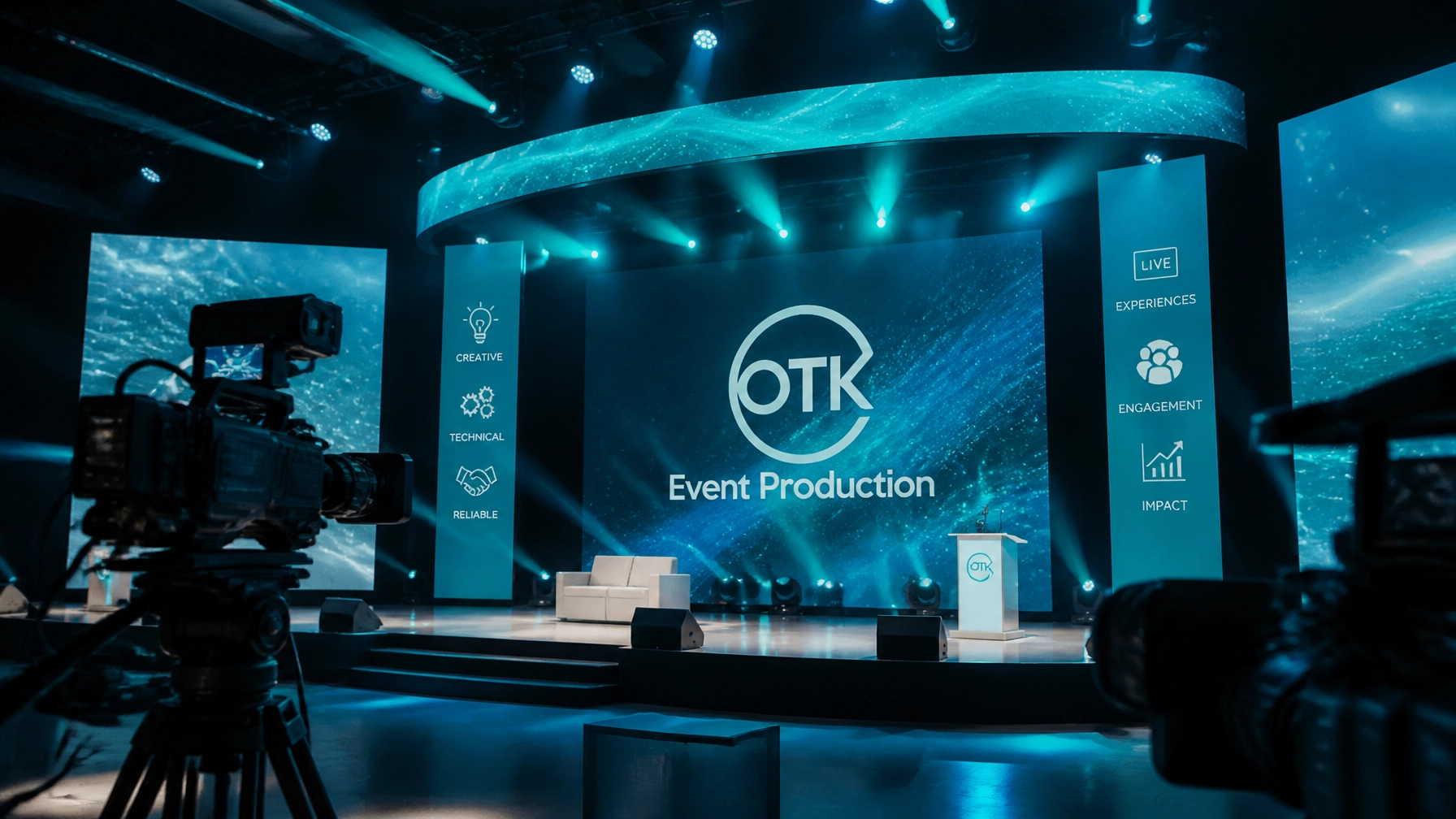
For organizers considering a production partner, OTK Event Production’s turnkey approach brings together show development and creative direction, lighting design, technical management, staging, special effects, livestreaming, and content capture, with a network of resources assembled per project. The right conversation starts with the festival’s requirements, not a preset answer, and maps each responsibility to the team best equipped to carry it.
The goal is not to choose a side. It is to build the production model that lets the festival deliver its vision, reliably and responsibly.